

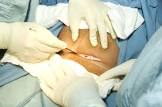
A mix of improved access to healthcare, evolving social attitudes, and medical caution is shaping Kampala’s rising Caesarean section rates, now more than double global recommendations.
Kampala’s position as the region with the highest rate of Caesarean section (C-section) deliveries is raising complex medical, social, and cultural questions about childbirth choices in urban Uganda.
Recent data from the Ministry of Health shows that while the national C-section rate remains within the World Health Organization (WHO) recommended range of 5–15 percent, Kampala stands out with a rate of 34%, more than double the upper limit.
Health experts say the capital’s unique mix of access, awareness, and lifestyle factors is driving this trend.
Unlike rural areas, Kampala has a high concentration of private hospitals and specialised maternity services. This availability makes surgical delivery more accessible and, in some cases, more convenient for expectant mothers who prefer planned births over the uncertainty of labour.
Dr. Richard Mugahi, Commissioner for Maternal and Child Health, notes that urban women are more likely to attend antenatal care and engage closely with doctors, creating more opportunities for medical intervention, whether necessary or elective.
Beyond access, social dynamics are also shaping decisions.
Among some educated, urban women, there is a growing perception that C-sections offer a way to avoid labour pain, reduce unpredictability, and in some cases, preserve physical changes associated with vaginal delivery.
Discussions around body image, sexual health, and post-delivery recovery, though often private, are increasingly influencing childbirth choices.
Some women express concern that vaginal delivery could affect pelvic muscle tone and, by extension, their sexual relationships.
While medical evidence shows that the body largely recovers and that such fears are often overstated, the perception persists in certain circles, particularly among women exposed to globalised health narratives and online discussions.
At the same time, a rights-based perspective is gaining traction.
Advocates point out that women, especially educated ones, are increasingly asserting autonomy over how they give birth. The idea of personal choice is shaping attitudes toward elective C-sections, with some viewing the procedure as a legitimate option rather than a last resort.
However, medical professionals urge caution.
Dr. Emmanuel Byaruhanga of Kawempe National Referral Hospital emphasizes that C-sections are major surgical procedures that carry risks, including infection, longer recovery periods, and complications in future pregnancies. He stresses that they should ideally be reserved for medically indicated cases.
Similarly, Dr. Musana Otheniel of Nsambya Hospital acknowledges that while patient preference is important, it must be balanced with sound medical judgment.
There are also concerns that financial incentives in some private facilities may indirectly influence higher C-section rates, although experts warn against broad generalisations across the sector.
The situation in Kampala contrasts sharply with regions such as Karamoja and Busoga, where lower C-section rates may reflect limited access to emergency obstetric care. This highlights a dual challenge for Uganda’s health system—potential overuse in urban areas and under-access in rural settings.
Health authorities say the goal is not to discourage C-sections, but to ensure they are used appropriately and safely.
As conversations around women’s autonomy, safety, and informed choice continue to evolve, experts emphasize the importance of accurate information, balanced decision-making, and stronger regulation to safeguard maternal and newborn health outcomes.
